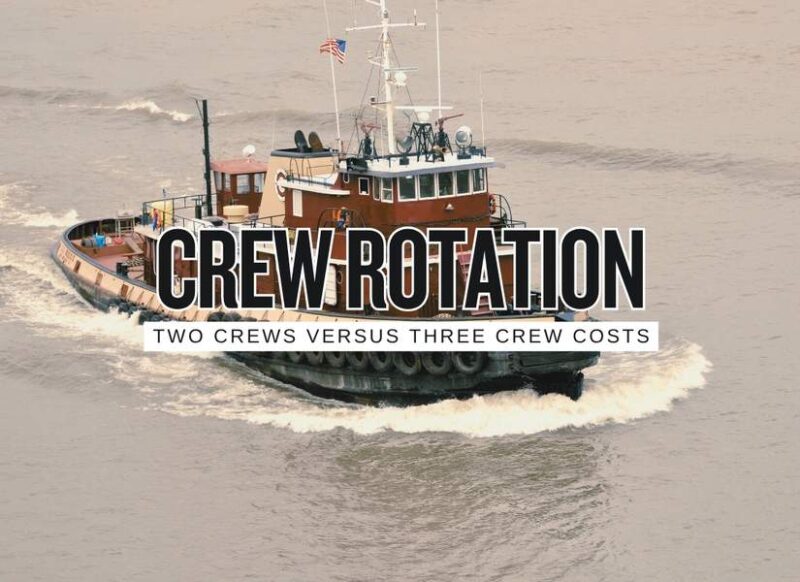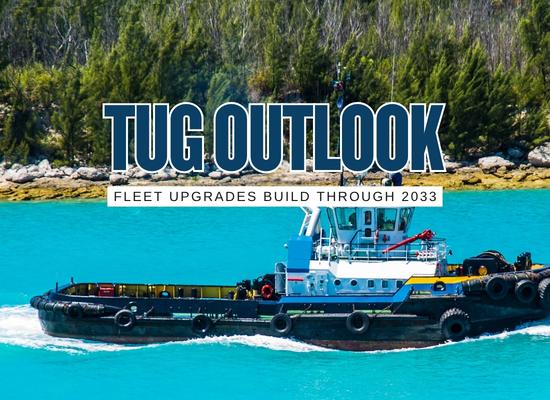
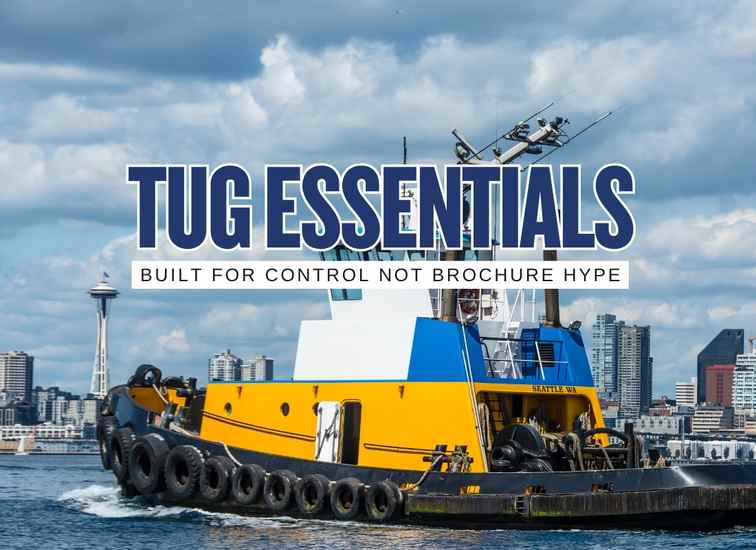
In real harbor work, the tug features that matter most are usually not the flashiest ones on a brochure. What counts is whether the tug can control large ships safely in tight water, keep the line under control, push effectively under flare, protect both hulls during contact, give the master clear visibility of the work area, and stay reliable through repeat short-cycle jobs. That is why modern harbor tug design keeps circling back to the same core areas: bollard pull matched to the job, propulsion and maneuverability, winch and release systems, fendering, visibility, hull form and stability, deck layout, draft and dimensions, speed, and mechanical reliability. Industry sources from Robert Allan Ltd., Damen, Sanmar, tug guidance bodies, and towing equipment specialists all point in that direction.
Bollard pull is still one of the first numbers people ask about, and for good reason. Harbor tugs exist to move ships in confined water, and the available pulling force shapes what jobs they can perform safely. But in real harbor work, the best bollard pull figure is not automatically the biggest one. The better question is whether the tug’s pulling force matches the ships, berth geometry, wind exposure, and operating method in that port.
A smaller harbor tug that is well matched to local work can outperform a stronger tug that is less maneuverable, too deep, or awkward around the ship types it serves. Bollard pull matters most when it is part of an overall fit, not when it is treated like a standalone trophy number.
In real ship assist, line handling quality can make the difference between smooth control and a dangerous situation. That is why winch arrangement, braking performance, tension control, and emergency release matter so much. Industry guidance expects emergency quick release capability on towing winches, and modern render-recover technology is valued because it helps maintain controlled line tension by paying out or hauling in as loads change.
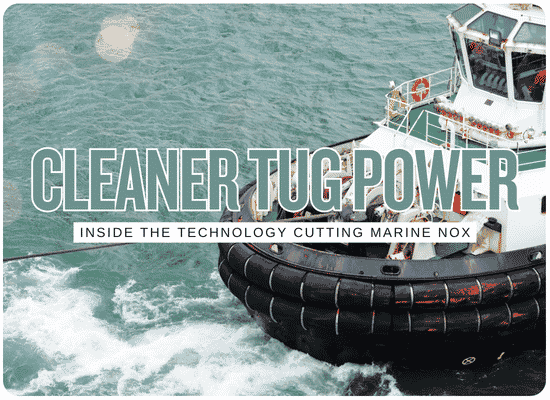
Harbor tugs spend a huge amount of their time in close physical contact with ships. That means fendering is not cosmetic. It affects safety, contact pressure, working angle, and the tug’s ability to push effectively without damaging either vessel. Good harbor tug design pays close attention to bow shape, side fendering, and the geometry needed to work under flared bows and sterns.
The best fendering setup is the one that lets the tug keep steady, controlled contact while staying useful across different ship types, not just one idealized scenario.
Tug masters need to see the ship, the line, the deck edge, the fenders, and the working water around them at the same time. That is why so many modern harbor tug designs emphasize all-round or 360-degree visibility, aft-biased control positions, overhead windows, and wheelhouse layouts that reduce blind spots.
In practical terms, visibility is one of the most underrated performance features on a tug. A powerful tug with poor sightlines can be less safe and less efficient than a slightly smaller tug with excellent visibility and better operator awareness.
Harbor tug performance is not only about engines and thrusters. Hull form and appendages heavily influence how the tug behaves under load, how it tracks, and how effective it is in escort or indirect modes. Escort-capable designs often use special skeg and hull solutions to generate stronger steering and braking forces and to improve seakeeping and directional control.
Even for everyday harbor work, hull design affects how settled the tug feels and how well it carries its power into the job. It is one of the reasons two tugs with similar installed power can feel very different on the line.
Real harbor work is rarely neat. Loads change, line angles change, and ships do not always respond perfectly. That is why stability and beam matter so much. Industry discussions around tug safety have repeatedly emphasized that power growth alone is not enough, especially for escort and higher-load work where stability margins become critical.
In simpler terms, a tug needs enough width, form, and stability confidence to use its power safely. A tug that is very strong but uncomfortable at the edge of its operating envelope is not the best harbor tool.
Crews work fast on harbor tugs, and deck layout affects how safely and efficiently they can do that. Clear line leads, sensible towing-point placement, good staple geometry, uncluttered working areas, and strong local visibility all help reduce mistakes and speed up operations. Modern designs regularly highlight better sightlines to the winch, bulwarks, and fenders for exactly this reason.
Good deck design is easy to underestimate from shore, but crews feel the difference immediately when jobs stack up.
Harbor work is local by nature. Tug dimensions that make sense in one port can become limitations in another. Draft affects where the tug can safely work. Beam influences stability and contact behavior. Overall profile affects access under flare and around terminals. A tug that looks ideal in a general sales comparison may be a weak fit for shallow berths, difficult basin layouts, or the ship mix of a particular port.
In real harbor work, physical fit often decides whether a tug is merely capable or genuinely useful.
Use this quick tool to estimate which feature priorities matter most for a port. It is not a formal design model. It is a fast planning aid for buyers and managers.
35 to 69 Balanced profile, all-around shiphandling features matter most
70 to 100 Demanding profile, premium control and safety features matter most