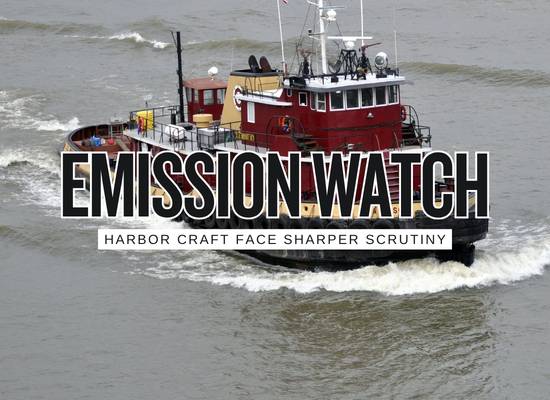
Harbor tug rules are becoming port strategy
Tug emissions are no longer just a vessel-owner compliance file. They now affect port grants, air-quality plans, terminal contracts, community relations, shore-side energy projects, and the way customers judge a port’s clean operations story.
EPA Clean Ports Program funding is moving into zero-emission port equipment, infrastructure, and climate and air-quality planning.
Clean Ports Program grants are supporting deployment and planning projects across 26 states and territories.
California Level 3 verified diesel emission control strategies are defined around very high diesel particulate matter reduction performance.
Fuel sulfur limit inside many Emission Control Areas, including the Mediterranean SOx and particulate matter ECA now in effect.
Sources: EPA harbor craft best practices, EPA Clean Ports Program, EPA Clean Ports awards, CARB commercial harbor craft, EPA approval coverage, IMO ECA update, Lloyd’s Register ECA guidance.
The practical shift for port operators
In the past, many ports could treat tug emissions as the operator’s issue. The tug company owned the vessel, bought the engine, managed maintenance, and handled compliance. That separation is getting weaker. If a port takes clean-port funding, publishes an air-quality plan, installs charging infrastructure, promotes community benefits, or gives preference to cleaner marine services, tug operations become part of the port’s public and commercial profile.
The port does not need to own the tug fleet to be affected by its emissions. A port can face community pressure, grant-reporting expectations, customer questions, shore-power coordination challenges, and tender language decisions based on how harbor craft operate around its terminals.
| Rule or pressure point | Port operator signal | Likely tug impact | Planning move |
|---|---|---|---|
| CARB harbor craft | California remains the strongest U.S. signal for harbor craft enforcement and technology pressure. | Cleaner engines, particulate controls, reporting, opacity attention, and pressure on older tugs. | Inventory engine tiers, compliance dates, equipment feasibility, and contract exposure. |
| EPA Clean Ports | Grant-funded projects are moving from award headlines into implementation. | More zero-emission planning, charging infrastructure, workforce training, and clean-fleet commitments. | Align tug operators with grant reporting, infrastructure plans, and port air-quality goals. |
| Federal marine diesel | Engine tier and certification remain central to newbuild, repower, and procurement decisions. | Tier 4, Category 1 and Category 2 engine planning remain relevant for many tugboats and pushboats. | Require clear engine documentation in tenders and service agreements. |
| ECA expansion | International sulfur, particulate matter, and NOx control zones keep spreading into new operating areas. | Fuel management, newbuild engine standards, route planning, and owner compliance burden increase. | Track ECA exposure for port users, bunkering, and tug operators working near affected waters. |
| Customer reporting | Cargo owners, terminals, cruise lines, and energy companies want cleaner port-call evidence. | Tug emissions data, idle reduction, cleaner fuels, and low-emission service options gain commercial value. | Add emissions and idle reporting language to towage contracts before customers demand it. |
2026 tug emissions radar
7 emissions pressure points port operators should watch in 2026
① California’s harbor craft rule becomes the benchmark conversation
Even ports outside California should watch the CARB Commercial Harbor Craft program because it shows the direction of travel: cleaner engines, particulate controls, reporting, visible emissions attention, and pressure on older harbor craft. California often becomes the reference point for clean-port discussions even when another state does not copy the exact rule.
The most sensitive area is diesel particulate filter feasibility. Operators and industry groups have raised concerns around installation, safety, space, exhaust temperature, maintenance, and commercial viability. Port operators should not treat those concerns as excuses to ignore the issue. They should treat them as planning inputs.
② Clean Ports implementation turns plans into obligations
EPA Clean Ports awards are not just publicity. Implementation will involve equipment purchases, infrastructure development, workforce planning, air-quality studies, community engagement, and reporting. Tugboats may not be included in every grant package, but harbor craft are part of the same operational environment.
A port that receives clean-air funding may face stronger expectations from communities and customers. If cranes, trucks, chargers, or shore-side power systems are being upgraded, smoky harbor craft can stand out more sharply.
③ Engine tier documentation becomes a commercial asset
For port operators, engine tier information should not be buried in a compliance binder. It should be part of the commercial profile of the tug service. Category 1 and Category 2 marine diesel engines are used in many tugs, pushboats, supply vessels, and other commercial vessels around ports, and EPA Tier standards remain a core reference point for newbuilds and repowers.
A port that knows which tugboats are Tier 2, Tier 3, Tier 4, hybrid, electric, or alternative-fuel capable can make better decisions about tendering, community communication, grant applications, and customer reporting.
④ Idle reduction moves from best practice to bid value
EPA lists operational changes and idle reduction among harbor craft best practices. That matters because port emissions are not only about engine certification. A cleaner engine that idles unnecessarily can still create local exposure, noise, fuel burn, and community frustration.
Tug idling is sometimes necessary for safety and readiness. The port’s goal should not be a simplistic no-idle rule. The better approach is to separate necessary standby from avoidable waiting and to make delays visible in dispatch and terminal planning.
⑤ Shore-side power and charging plans create tug expectations
A port that installs shore power, charging infrastructure, battery storage, or electrical upgrades may start with cargo-handling equipment, drayage trucks, ferries, or ocean-going vessels. Tugboats can still be pulled into the conversation because they operate close to the same berths, substations, waterfront communities, and public clean-air commitments.
Battery-electric and hybrid tugs depend on berth access, charging time, electricity pricing, charger reliability, and grid capacity. If the port expects cleaner tugs later, it should start planning the energy side early.
⑥ ECA expansion affects port users and fuel expectations
Emission Control Areas are mainly discussed in relation to ship fuel, sulfur limits, particulate matter, and NOx standards for applicable vessels. The tug-specific impact depends on vessel type, route, flag, engine, and local law, but port operators should watch ECA expansion because it changes customer expectations around cleaner port calls.
The Mediterranean SOx and particulate matter ECA is now in effect, and the Canadian Arctic and Norwegian Sea ECA changes add fresh compliance pressure in northern operating areas. Ports near these regions should expect more attention to fuel quality, bunkering, engine standards, and vessel documentation.
⑦ Customers will ask for emissions proof before rules require it
Cargo owners, cruise operators, energy companies, terminals, and public agencies are increasingly focused on supply-chain emissions and community impact. That pressure can reach tugboat services through procurement language before a direct legal requirement appears.
A port that can show cleaner tug operations, verified engine data, idle reduction, alternative fuel use, or a repower plan may be easier for customers to include in their own reporting. A port that cannot answer basic questions may look behind the curve.
Emissions pressure by port type
Container ports
High scrutiny Grant exposure Truck and crane comparisonContainer ports often have larger clean-air programs around trucks, cranes, cargo equipment, and shore power. Tug emissions can become more visible if harbor craft lag behind the rest of the port’s modernization story.
Cruise and ferry ports
Public-facing Noise Smoke visibilityPassenger-facing ports have a different problem: visibility. Tug smoke, ferry emissions, and idling can be noticed by residents, visitors, and local media even when the technical emissions inventory is more complex.
LNG and energy terminals
Reliability Escort tugs Long contractsEnergy terminals may use long-term tug contracts, dedicated escort assets, and specialized procedures. This makes emissions planning easier to price, but harder to ignore once contract terms are locked in.
Smaller regional ports
Budget pressure Older fleets Planning gapSmaller ports may not face the same immediate spotlight, but they can be caught off guard by grant opportunities, customer questions, state programs, or older tug fleets with limited repower planning.
2026 tug emissions readiness checker
This quick planning tool estimates whether a port is in a low, rising, medium, or high-pressure position around tugboat emissions. It is a planning guide, not legal advice.